Giovanni Pierluigi da Palestrina
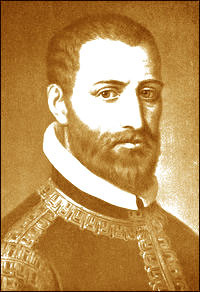
Giovanni Pierluigi da Palestrina (between 3 February 1525 and 2 February 1526 – 2 February 1594) was an Italian composer of late Renaissance music. The central representative of the Roman School, with Orlande de Lassus and Tomás Luis de Victoria, Palestrina is considered the leading composer of late 16th-century Europe.
Born in the town of Palestrina in the Papal States, Palestrina moved to Rome as a child and underwent musical studies there. In 1551, Pope Julius III appointed him maestro di cappella of the Cappella Giulia at St. Peter's Basilica. He left the post four years later, unable to continue as a layman under the papacy of Paul IV, and held similar positions at St. John Lateran and Santa Maria Maggiore in the following decade. Palestrina returned to the Cappella Giulia in 1571 and remained at St Peter's until his death in 1594.
Primarily known for his masses and motets, which number over 105 and 250 respectively, Palestrina had a long-lasting influence on the development of church and secular music in Europe, especially on the development of counterpoint. According to Grove Music Online, Palestrina's "success in reconciling the functional and aesthetic aims of Catholic church music in the post-Tridentine period earned him an enduring reputation as the ideal Catholic composer, as well as giving his style (or, more precisely, later generations' selective view of it) an iconic stature as a model of perfect achievement."
Similar Artists